


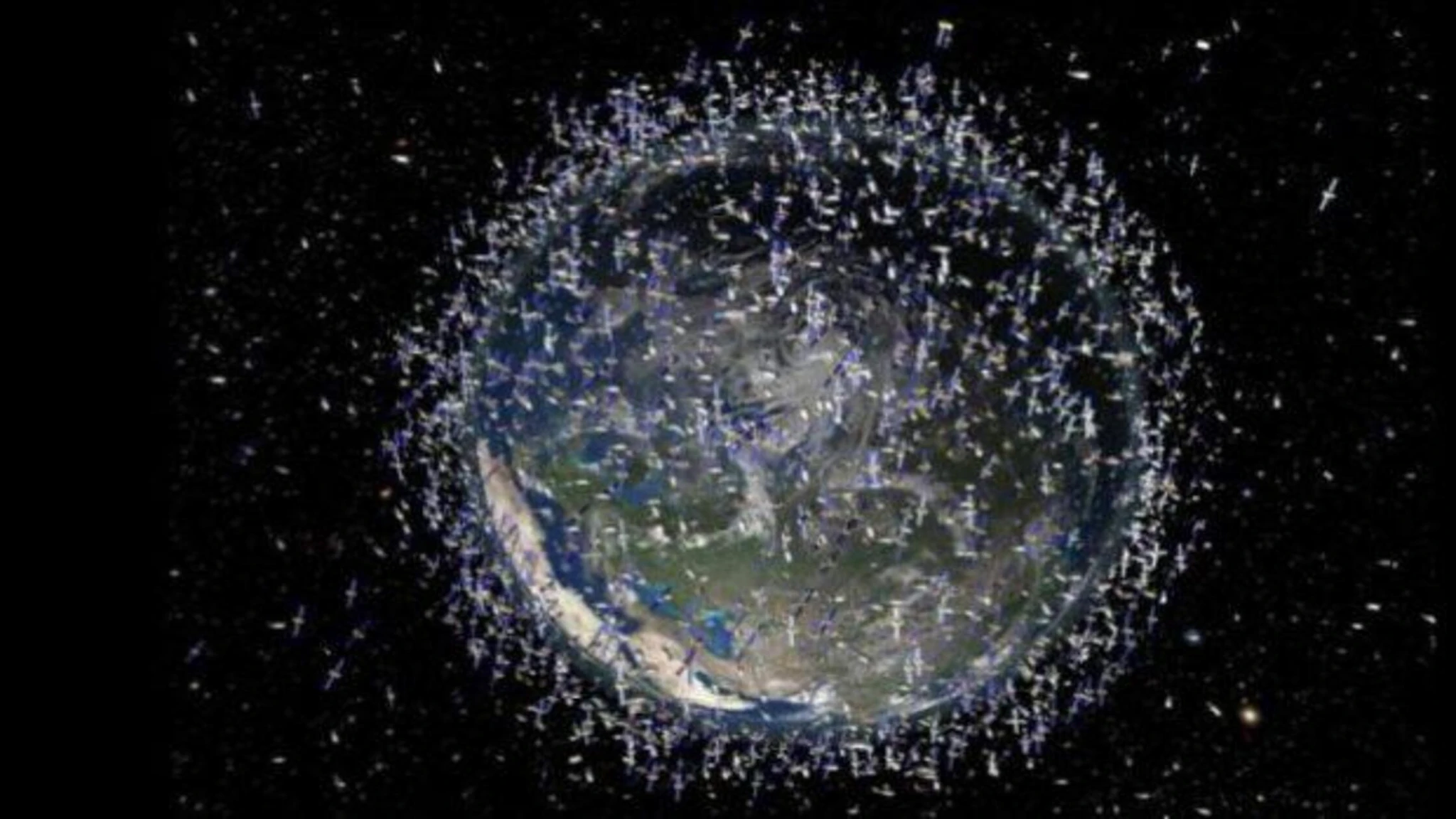
Since the first-ever satellite was launched into space in the year 1957, thousands of different satellites have been launched into space by several countries. Most of them are still functional while a portion of this number of satellites is now non-functional, due to collision or destruction for other reasons. All these broken pieces and bits of old satellites cannot be brought back to earth and stay forever in space, accounting for space debris. Chunks of space debris remain floating continuously in space and pose threats to the newer satellites on their way to their destination or while they are functioning.
The need to fight space debris
Space debris poses a risk to the other satellites and space bodies which are functioning. There have been several instances in time wherein chunks of satellites have hit International space stations or disrupted the functioning of other satellites.
Many times, this space debris is attracted back to the earth. While some of these burn up, many large chunks reach the earth’s surface and fall on oceans and water bodies, and many times on land, contaminating them with radioactive substances from space or other materials that are harmful and contaminate water bodies.
With the constantly increasing rates of space debris, the low earth orbit is likely to fill up and become unusable since all the satellites are placed in the low earth orbit where most of the space debris is accumulated.
How to remove and avoid debris?
Space agencies like NASA and ISRO are working on developing technologies that will help eliminate space debris. Countries across the globe have understood the adverse effects of space debris and work towards cleaning up space junk.
To avoid space debris, space agencies are made to develop satellites that burn in the atmosphere or send satellites farther away from the earth. Moreover, space agencies should also ensure self-eating rockets to further decrease space junk.