

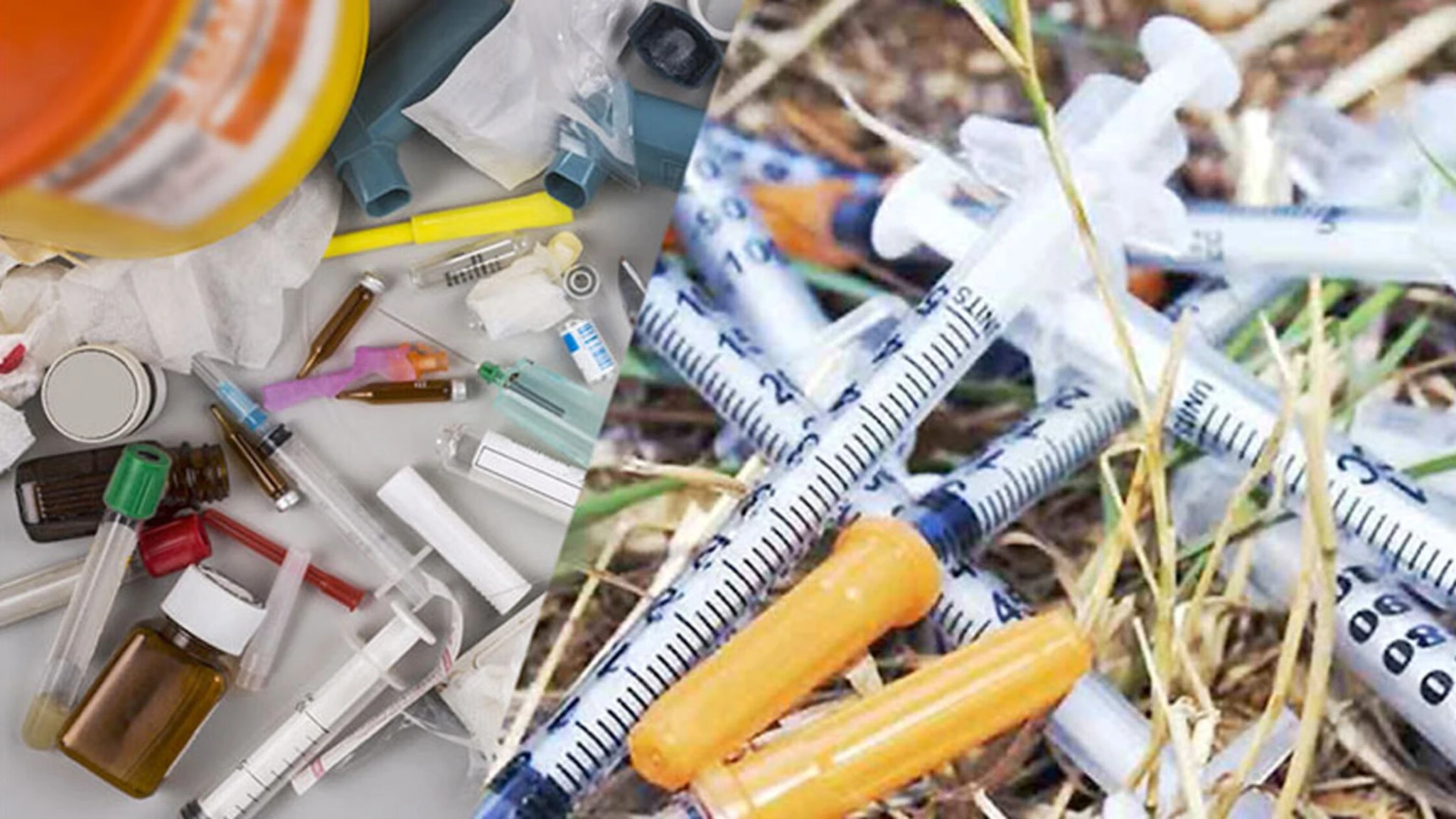
Biomedical wastes are generated from healthcare treatments or diagnostic procedures. These might or might not contain potentially infectious substances. Biomedical wastes include needles, syringes, dressings, disposed medicines and many more. 85 per cent of the waste generated are biomedical wastes and these are more hazardous than domestic wastes. Strict and proper methods of disposal are essential to check the rising biomedical wastes.
The outbreak of the Covid 19 pandemic also led to a rapid increase in the amounts of biomedical waste. The unsupervised collection of these wastes has led to the biomedical waste crisis. Proper management of wastes by segregation and apt treatment and disposal is essential to counter it.
Biomedical waste accumulated post-pandemic
The waves of the pandemic demanded rapid treatment of patients. The treatment and disposal of biomedical wastes were neglected and were disposed of just like other domestic wastes.
Presently, biomedical wastes include gloves, PPE kits, masks, test swabs and many more. These are being mixed with normal wastes and are being dumped in open dump yards and landfills. Along with affecting the environment in adverse ways, the workers dealing with such wastes are also susceptible to health hazards.
These open dump yards are also giving rise to breeding places for microorganisms, which are becoming resistant to drugs. Every day, an estimated mass of 146 tons of biomedical wastes are added. The situation demands immediate attention.
How can this be dealt with?
Strict rules should be set for the proper segregation of biomedical wastes before disposal. Failure to adhere to that should be heavily penalized. More awareness programmes should be conducted to preach to the masses about the health hazards of biomedical wastes and their impacts on the environment. Proper disposal of personal masks and gloves should be ensured following the rules and guidelines.
The biomedical waste treatment facilities should be boosted to meet the rising amounts of waste. Furthermore, greener methods of biomedical waste disposal should be implemented on large scales. This should be followed by regular supervision of medical and diagnostic centres for ensuring proper biomedical waste disposal.