

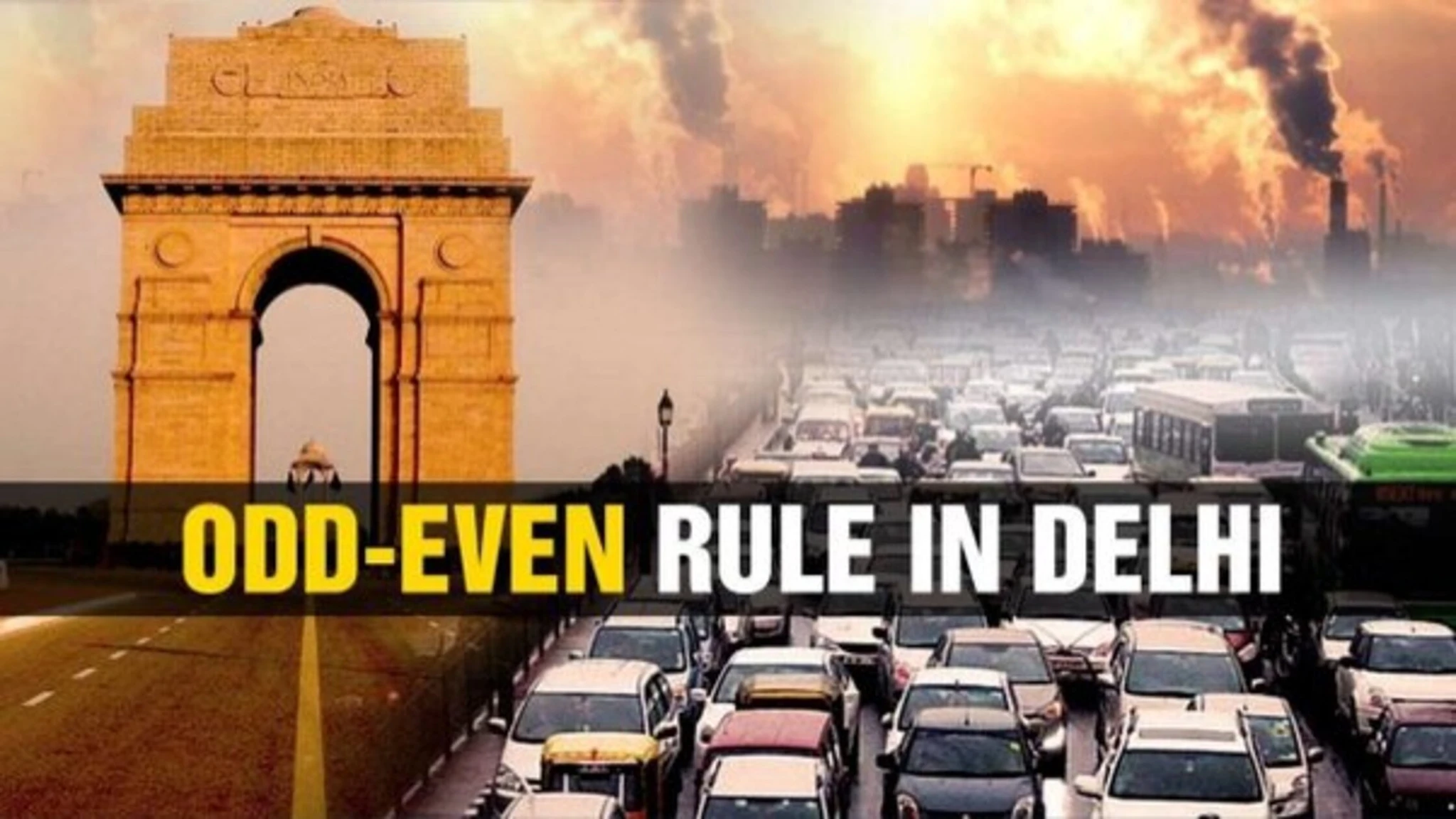
Delhi is a metropolitan capital city that is known for its rich culture and heritage. However, the city is flooded with an 11 million population. The capital city ranks among the top ten most congested cities and has high levels of pollution and traffic jams.
To counter the traffic congestion, the government had come up with a scheme called the odd-even rule. All vehicles with odd and even numbers will be allowed to run on alternative days. The government was under the vision that restricting the number of cars would reduce traffic congestion. This would also help fight the air pollution levels of the city. Let’s find out the benefits and challenges of this scheme.
The benefits of the scheme
Implementation of this scheme would reduce the number of cars on the roads to almost half. This will make it convenient for people to reach schools and offices on time. Moreover, Delhi suffers from a disappointing rate of air pollution, a major part of which is contributed by cars. This scheme can help reduce pollution levels.
Moreover, this would also lead to people depending more on public transport. This would also lead to the upliftment of a backward society. It will increase the demand for autos, buses and cabs. Those who usually have a smaller source of income can earn more.
The challenges of the scheme
Many people are completely against this scheme since it meddles with their working hours. Restricting them to use their cars only on specific days makes people depend on other sources. People argue that the government can spread awareness and encourage people to switch to public transport.
Moreover, this scheme was implemented with no long-term planning. Also, it holds no statistical record of reducing air pollution in the capital city. People fail to take the scheme seriously due to the lack of strictness in implementing the scheme.