

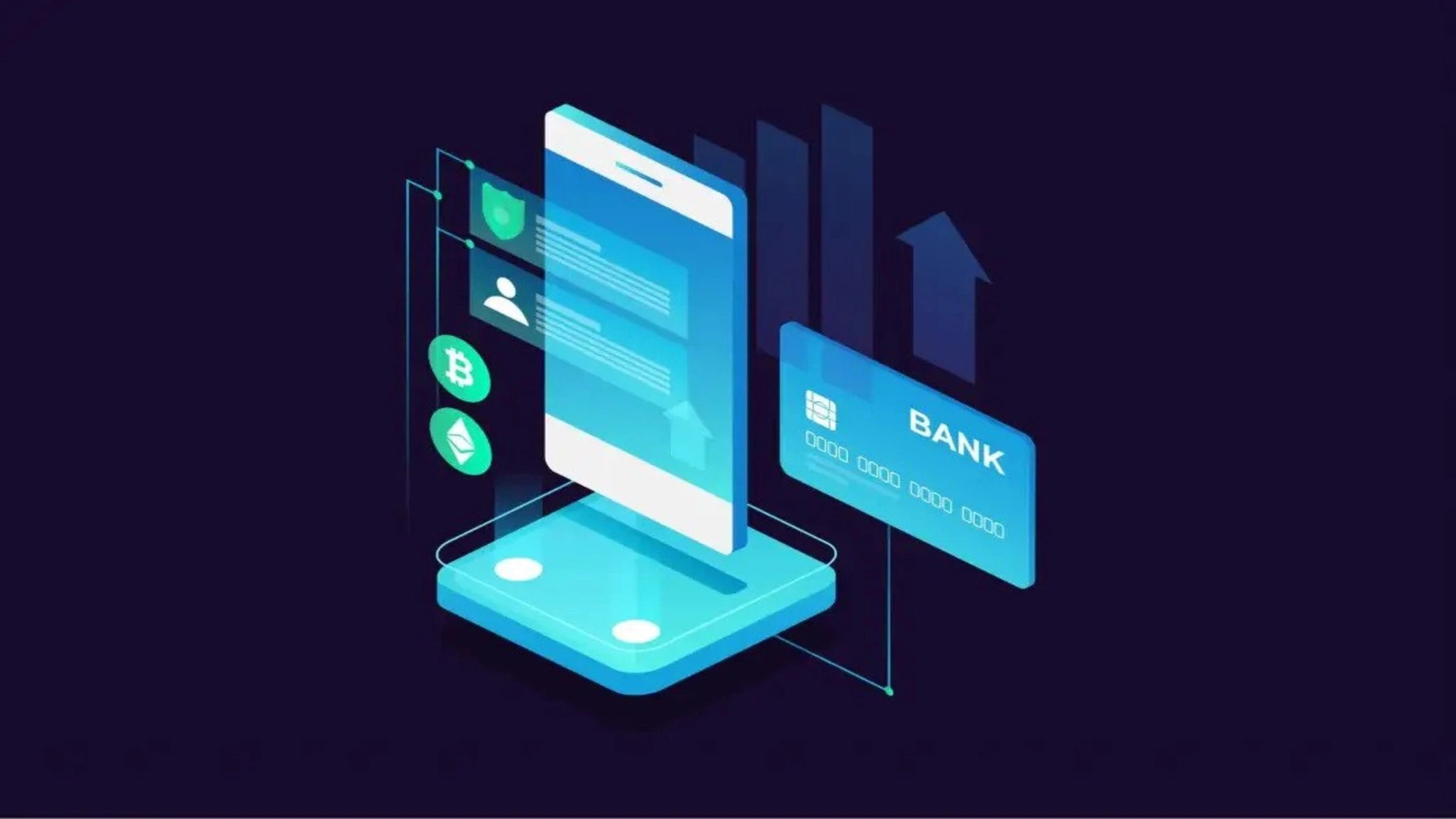
Neo banks are a relatively new concept. These banks operate exclusively online without any physical branches. Hence, no banks are forerunners of digital and mobile-first financial solutions. Making payments, money transfers, and more digitized, the concept of neo banks is growing popular with advancing time.
Traditional banks on the other hand have physical branches with a domestic license in banking. They can provide in-person customer service and money management. Clients can deposit money to the bank’s custody, making them more reliable.
Both this financial management and storing systems have their own set of advantages and challenges.
Advantages and challenges of neo banks
Neo banks don’t require any physical branch which saves them a huge part of their overhead costs. They can offer higher interest rates and lower fees. Additionally, they are freely accessible anywhere and anytime from a smartphone.
Being completely digital, they can operate 24 hours and their services can be availed anytime.
However, people don’t tend to trust neo banks that easily with their money. Since they don’t have a physical branch, it becomes risky for people in the case of any issue.
Also, Neo banks only have a basic range of banking products and services. Given the tech literacy in India, it is tough for neo banks to stand their ground.
Pros and Cons of traditional banks
Person-to-person customer service is preferred by clients since they appear trustworthy and reliable. Also, they provide a vast variety of financial services. Hence these banks also include less tech-savvy people. People from rural areas are better off with traditional banks according to surveys.
However, sometimes these traditional banks remain out of reach and are less accessible.
Moreover, traditional banks have more monthly fees and lower interest rates. They perform the very basic functions online and don’t utilise the benefits of next-gen IT solutions.
A collaborative effort of combining these two banks can work wonders. Neo banks can gain the trust of people with traditional banks reaching out to the tech-savvy masses.