

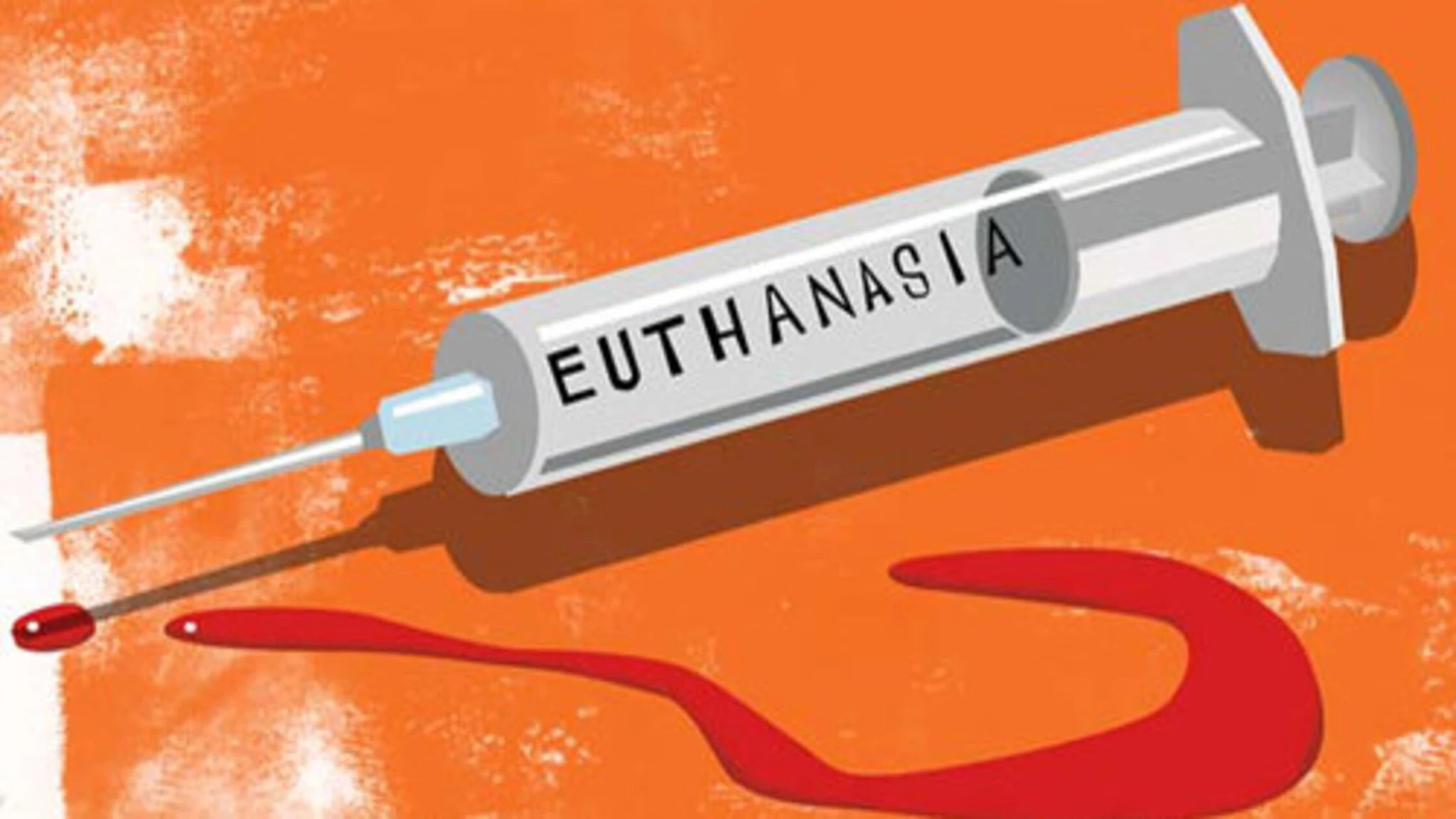
The term euthanasia holds its roots in two Greek words ‘eu’ and ‘thantos’, which means good and death. Hence, the term means ending an individual’s life that has been filled with misery and extreme suffering. This might be due to a condition of disease that is beyond cure. In such cases, euthanasia is done by medical facilities to help the person get rid of the intense suffering.
Euthanasia includes the Physician assisted suicide, where the physician performs euthanasia with medical assistance. It might be voluntary, at the will or decision of the suffering person.
Again, it might be the involuntary one where a family member takes the decision. Active euthanasia is when the doctor directly ends an individuals life given the conditions. Passive euthanasia is when it is done by removing life supports and is done when the patient is no longer physically and mentally alert.
Should it be legalized in India?
Given India’s confusing history of legal actions against euthanasia, we understand that we have the right to take critical decisions of our life. While following the advances of other developed nations, we must also be guided by and be well aware of their mistakes.
Today, when we look at the rate of euthanasia cases, it is understandable that its misuse is mostly common. Hence, though it is allowed legally in India, it remains a difficult decision to be taken.
Can India afford active euthanasia practices?
Today in India, it will take a huge and collective effort to equip the medical facilities with euthanasia requirements. Moreover, in a nation like India, people are more likely to be driven by corrupt minds for treading on this practice. It has a chance of becoming tools in people’s hands corrupting a person’s will or consent. Hence, euthanasia should be conducted with the much needed responsibility and only in dire situations.